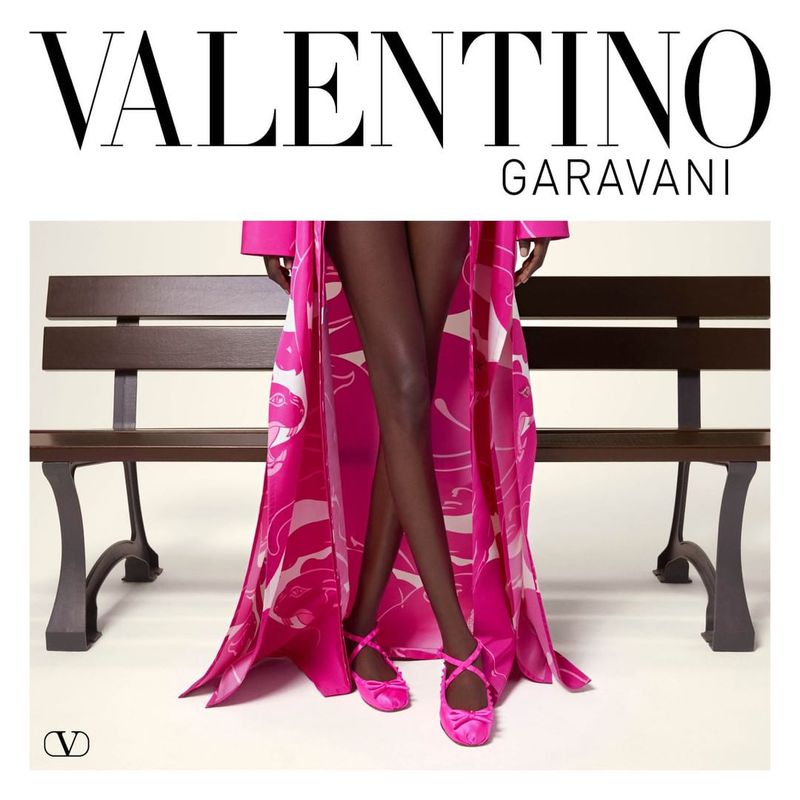
Valentino VLogo Bucket Bag Signature Chevron Look
Valentino Bags Under 1500 Dollars: The True Way In
Introductions to this house almost always begin at three thousand dollars or more, which is precisely where plenty of buyers decide the label is beyond their budget and walk away. The flaw with that conclusion is that a genuine sub-$1,500 shelf is real, built from proper pieces rather than remainders. Tight, clustered in two lines, and organised around format rather than size: that is the shelf in a single line. Treat what follows a map to the sub-$1,500 selection on the brand’s own United States site, with observed 2026 market prices rather than an official price list, and a line on the job each piece does. The same budget can also take a second path, through the pre-owned market, which is now the only home of the archive. Work through both halves before you decide, since the cheapest new valentino bag and the best bag for $1,500 are rarely the same object.
The real span of fifteen hundred dollars
Before the pieces, accept that this shelf is real and very narrow. Right across the entire current line-up, only two families reach below $1,500: VLogo Signature and Rockstud. Rockstud Spike opens at $2,400, Locò at $2,700, VSling at $3,350 and Panthea at $3,800, so every other line opens clear of the ceiling. From $650 for a grainy calfskin VLogo Signature clutch up to $1,450 for a nappa VLogo mini bucket, the internal spread is generous. The move beyond is a step rather than a slope: the next rung opens around $1,650 with a small Rockstud crossbody, and $1,750 buys a laminated Rockstud mini shopping bag or a VLogo mini bowling. That gap is worth knowing: if your ceiling is fifteen hundred, stretching by another two hundred dollars buys you nothing, while stretching by four hundred changes the category entirely.
The shelf, set out in full
A single table covers the entire shelf, and it is briefer than you might imagine. Every figure is an observed 2026 market price on the brand’s own United States site, and prices move with material, colour and season. Note how much of the shelf is small leather goods rather than bags, which is normal for a valetino.net house at this level. Material is what moves the numbers, which is why the same silhouette in raffia costs a hundred dollars more than in grainy calfskin. The construction standards on this shelf are identical to those of pieces four times the price. At the bottom the sole compromise is capacity rather than quality.
| Item | Material observed | Observed US price, 2026 | What it does best |
|---|---|---|---|
| VLogo Signature clutch | Grainy calfskin | $650 to $790 | The cheapest genuine entry into the house |
| VLogo Signature clutch | Moiré | $750 | Evenings and nights out |
| Rockstud wallet | Laminated calfskin | $1,250 | Daily carry with the studs on show |
| Rockstud mini shopping bag | Grainy calfskin or suede | $1,390 | The most practical shape here, and the tote entry |
| Rockstud mini shopping bag | Raffia | $1,490 | Travel and summer |
| VLogo mini bucket | Nappa | $1,450 | The softest feel of the group |
The clutch, and why it is hardly a consolation prize
Nothing comes in lower here than the VLogo Signature clutch at $650 to $790 in grainy calfskin, and for all that it is a proper piece. Because the V emblem acts as hardware and closure together, the design has no need of scale to land as itself. The moiré version, at $750, lands between the two calfskin prices and tilts the piece towards evening, which is a clutch’s natural home. Capacity is the honest limitation: a clutch takes a phone, a card case and a key, and that is the end of it. Against that stands slow ageing, because a clutch lives indoors and rarely meets pavement, rain or a car door. If you want the object more than the storage, start here and put the saving into a colour you would not normally choose.
The wallet argument
A laminated calfskin Rockstud wallet at $1,250 looks like an odd recommendation until you work out how often you would actually hold it. Studs, engraving standards and Made in Italy construction are unchanged across wallets and bags, so nothing reveals the bottom of the range. Of everything here it is the most publicly visible, surfacing at every till and every restaurant table. Worth knowing on format: at the same $1,250 the house builds a Rockstud chain wallet, which turns into a small valentino crossbody bag once the chain is on. That matters because the brand’s own United States site has no crossbody category page, listing bags under shoulder, tote, top handle, clutch and small leather goods headings instead, so chain wallets are easy to miss. For the lowest-cost way to wear the motif rather than hold it, that is the piece to hunt for.
The mini shopping bag: the tote entry
For most people the right answer is this one, for the simple reason that you can fill it. At $1,390 in grainy calfskin or suede and $1,490 in raffia, both versions of the Rockstud mini shopping bag sit safely inside the budget. Choose grainy calfskin if you are being sensible, since the grain disguises tote scuffs and requires no upkeep routine. Suede reads richer and holds colour better, but it wants a brush, a protector spray and a firm policy about rain. Take raffia as a seasonal pleasure rather than a twelve-month bag — a hundred dollars more, the least rational choice here, and the most pleasurable. Whichever you choose, the studs are the same, so the bag reads from across a room in a way the price does not suggest.
At the ceiling: the mini bucket
In nappa at $1,450, the VLogo mini bucket is at once the priciest and the softest thing on the shelf. Nappa, soft and finely finished, means the bag drapes rather than holds a shape — and that is precisely its character. It is likewise the material that demands the most care, as nappa marks easily and hides no wear. Against that stands a V emblem carrying out structural work as the closure, and a bag that reads considered instead of entry-level. Between this and the mini shopping bag, the question is whether you want room or an object, since the bucket lands on the object side. Neither option is wrong; simply note that a laptop sleeve fits in one of them, and not in this one.
Spending the same budget second-hand
Second-hand, fifteen hundred dollars behaves very differently, which for certain buyers makes it the better trade. Observed at one aggregator, pre-owned listings for the house reached from $54 to $6,300, averaging close to $817, and that average says how much of it sits under this shelf rather than over it. Resale is where the discontinued and archive lines now live: the VLogo Escape tote is reported discontinued, Supervee is resale-only with a VLogo shoulder bag observed pre-owned around $866, and a large One Stud nappa tote has been seen at $1,695 through a third-party retailer, not an official channel. Retention data from one major platform puts Valentino handbags at roughly 41 per cent of retail across the house, with the motif styles higher, including a Rockstud pouch crossbody around 50 per cent. It is an observation of the market and not investment advice, and it runs both ways: good value second-hand, a poor case for buying new to resell. Restrict yourself to established platforms that authenticate ahead of listing, and treat what follows as essential.
The trap that derails budget buyers
The risk gathers at precisely the price point this article covers, which is why it sits here instead of a footnote. You will find handbags labelled Valentino at Nordstrom Rack, Saks OFF 5TH and TJ Maxx, and they are made by Mario Valentino S.p.A., a leather goods house founded in Naples in 1952 with no connection to the Rome couture house founded in 1960. Those goods are authentic — they are simply a different company at a different price — and the mistake to avoid is buying one in the belief that you have found a discounted valentino garavani bag. Because the luxury house must, by contract, print GARAVANI alongside VALENTINO on its leather goods, the label answers it immediately. Verification covers one legitimate off-price channel for the luxury line, THE OUTNET, though it does not settle how far its reductions run. Maker first, price second: follow that order and the entire shelf is exactly as good as it looks.